You may have heard of death cafés. But what are they and why should you attend one?
Death Cafés began in Switzerland in 2004 as "café mortels," created by Swiss sociologist and anthropologist Bernard Crettaz. Since Jon Underwood (UK) popularized the Death Café movement internationally in 2011, there have been hundreds held around the world.
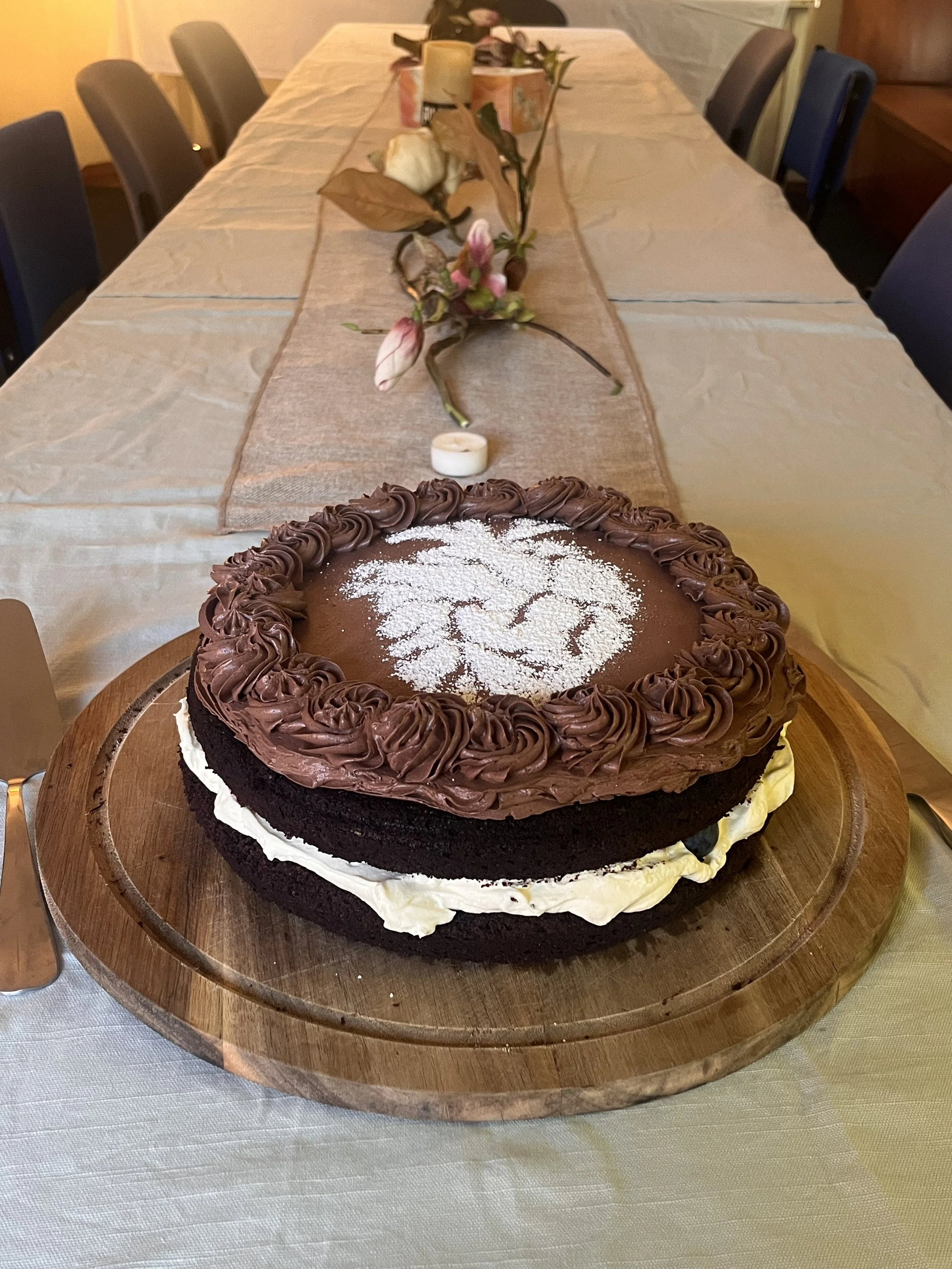
It is not a professional grief or bereavement counseling session (although your grief is welcome), and there is no agenda. It is always free and there is always cake. A death café is a gentle, welcoming and confidential space where people from all walks of life can come to discuss end of life, death and grief.
There is no set theme or topic, each night follows it’s own path depending on the people in the room. Some people come to ask practical questions, such as ‘can I have a funeral at home?’, or ‘what are my body disposal options?’. Some come to talk about their person who has died, or to talk about their own mortality. While others come to simply sit and listen to what is in the room.
There is no right or wrong way to be in the space.
Things I’ve learnt from facilitating death cafés:
Every death cafe is different
The smallest piece of information can change someone’s perspective and willingness to participate in caring for their dead
Attending death cafe’s can open up conversations in your daily life about death and dying
Talking about death brings what matters most to the forefront
Connection happens when stories and truths are shared
Even if only one persons shows up, it’s worth it
The use of metaphors and ambiguous language is rarely helpful
It is incredibly life-affirming to talk about death and grief
I return home a little different and having learnt something new. Whether that is about people, about grief, about life, about death or about community
Tell the people you love that you love them often
So, if you’ve been thinking about attending a death café, I highly encourage everyone to go, even if it’s only once. Speaking about death and dying can teach you so much about yourself and those around you. You will walk away feeling more connected and more willing to have the harder conversations.
And if you’d like to start your own death café in your community, here is some information on how you can.